


UMCTOtz invites you to a journey that begins not with a checklist, but with a heartbeat. It is the sacred art of building a team, a practice that shapes not just an organization, but a community bound by purpose and passion.
In today’s changing world, understanding the essence of a great hire is your foundation. It is like the ancient rock of our beloved Tanzania. This knowledge builds remarkable cultures where people thrive.
This guide is your trusted companion. It walks with you through the modern landscape of finding the right people. Each new person you bring in is more than filling a job.
It is weaving a new thread into your organization’s vibrant story. It connects past wisdom with future dreams. We share knowledge gathered from many journeys.
Our approach blends modern needs with timeless values. We honor community, integrity, and shared purpose. These values create truly transformative organizations.
Whether you seek one critical person or an entire team, this guide lights your path. It offers clarity, compassion, and strategic insight. For a more personal conversation, our team is here at +255 762 988 420 or info@umctotz.org.
Key Takeaways
- Hiring is a profound act of community building, not just a business transaction.
- The right people become the lifeblood of your mission and carry your vision forward.
- Successful hiring blends modern strategic needs with timeless human values.
- Every new role filled is an opportunity to enrich your organization’s ongoing story.
- Practical wisdom can guide you, whether filling one job or constructing a whole team.
Introduction to Employer Hiring Guides
Like the baobab tree that stands resilient through seasons, your organization’s growth depends on the strong roots of thoughtful hiring practices. We recognize this moment as both a challenge and an opportunity.
Overview and Importance in Today’s Market
The landscape of talent acquisition has grown increasingly complex. HR professionals report recruiting top talent as their most pressing challenge.
A recent survey reveals a startling truth: half of candidates reject offers due to negative experiences during the hiring process. These include rude treatment, long waits, and disjointed interviews.
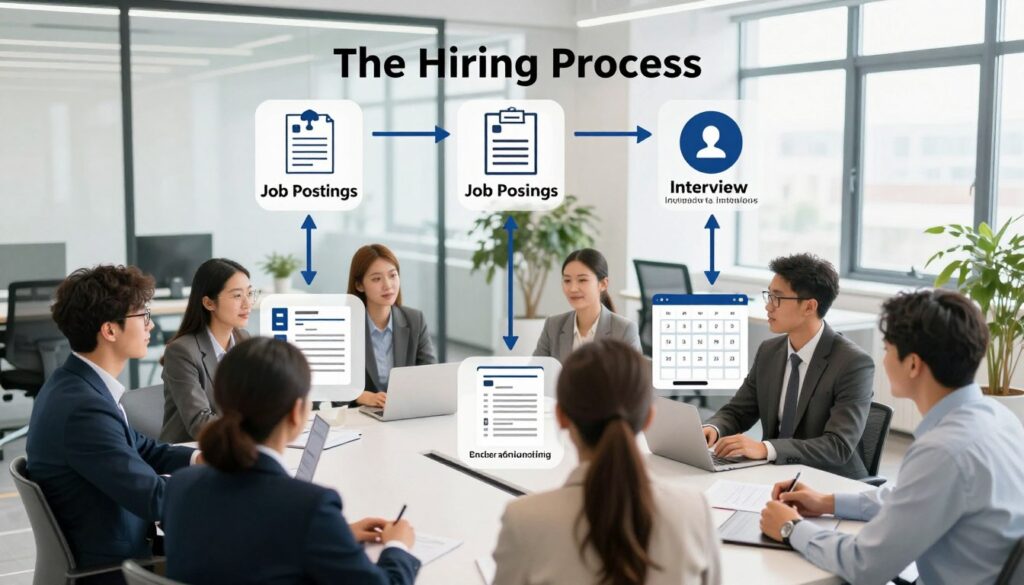
Every interaction carries the weight of your organization’s reputation. The stakes have never been higher in this competitive environment.
How Hiring Guides Benefit Organizations
Structured hiring guides create consistency in an unpredictable landscape. They ensure each job opportunity receives the professionalism it deserves.
Time is the currency of our modern world. A well-defined process protects this precious resource while honoring every candidate’s dignity.
These guides extend beyond mere efficiency. They embody your organizational values and communicate your mission to potential team members.
| Aspect | Structured Hiring | Unstructured Approach |
|---|---|---|
| Candidate Experience | Consistent and professional | Variable and unpredictable |
| Time Efficiency | Optimized process flow | Lengthy and disorganized |
| Quality of Hire | Strategic alignment | Hit-or-miss results |
| Organizational Voice | Unified messaging | Mixed communications |
When implemented with care, hiring guides become bridges to your aspirational future. They attract individuals whose skills and spirit align with your work and vision.
Understanding the Recruitment Process
Much like the Great Migration that flows with ancient wisdom across our Serengeti plains, the recruitment process follows natural rhythms that honor both tradition and transformation. This living ecosystem responds to economic currents and the availability of specialized skills your organization seeks.

Key Trends and Challenges
Today’s landscape reveals a seismic shift toward values-driven employment. Candidates now seek meaningful mission alignment beyond mere compensation.
The challenges mirror those faced by guides in uncharted territory: limited resources, unpredictable conditions, and the constant need to adapt. Each candidate interaction requires careful navigation while maintaining direction toward your ultimate destination.
Impact of Organizational Culture
Your culture acts as an invisible current that either attracts or repels the kind of talent you seek. It is the scent on the wind that draws kindred spirits before they ever submit an application.
This impact extends beyond attraction to retention. Culture shapes how new employees experience their first days, ultimately determining whether they become ambassadors of your mission or stories of misalignment.
What Employers Look for When Hiring Guides (and How to Train for It)
Like the Kilimanjaro summit that reveals itself only to those with both preparation and perseverance, exceptional candidates blend teachable skills with innate qualities. We approach this selection as gardeners discerning which seeds carry inherent vitality.
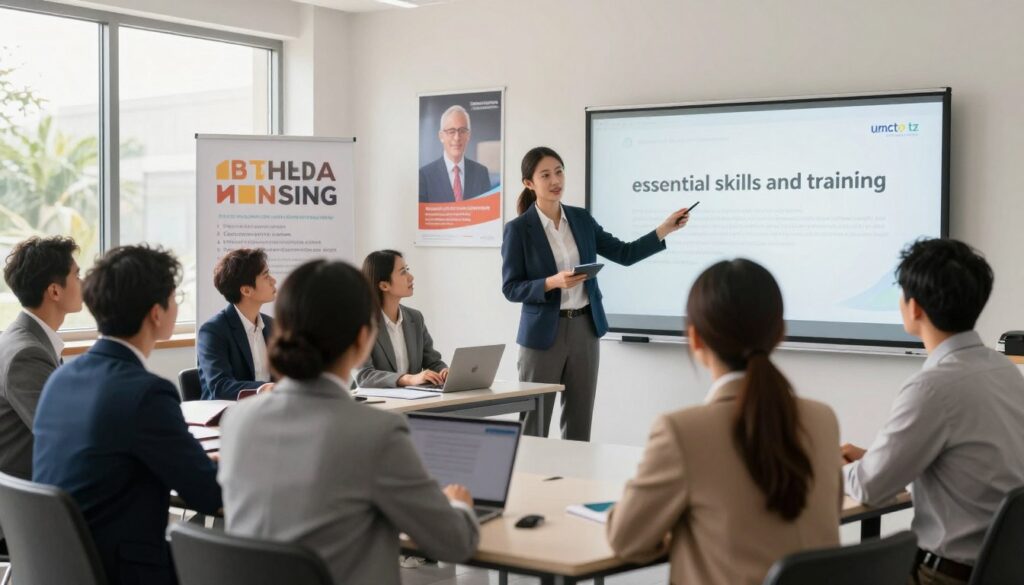
Essential Skills and Experience
Technical abilities form the visible structure of any role. These practical skills can be cultivated through dedicated training and hands-on experience.
The deeper truth lies in character qualities that cannot be taught. Enthusiasm, reliability, and honest commitment are seeds either present or absent from the beginning.
When evaluating a person for a guiding position, we look beyond credentials. We seek the curious spirit and self-motivation that transform mere occupation into vocation.
Effective Training Strategies
Our training philosophy acknowledges this beautiful duality. We focus intensive effort on developing measurable skills while creating environments where intrinsic qualities flourish naturally.
The ideal employee is not necessarily the most credentialed person. Rather, they are the individual whose natural alignment with your values allows their skills to blossom in your specific position.
Effective training strategies begin with honest assessment. We identify what can be taught versus what must be sought, focusing energy where it yields the greatest transformation and lasting performance.
Crafting an Effective Job Description
In the digital marketplace where opportunities compete for attention, your job title serves as the first beacon. It must shine brightly enough to attract the right seekers while honestly representing the path ahead.

We approach each job description as a sacred covenant. This document speaks your truth while inspiring candidates to envision themselves within your mission.
Optimizing Job Titles for Better Visibility
The right title balances search visibility with authentic representation. It acts as both a filter and an invitation in the vast wilderness of online postings.
Generic titles become lost in the digital savanna. Specific, keyword-rich job titles ensure your opportunity appears before ideal candidates.
Highlighting Roles and Responsibilities Clearly
Move beyond templates to paint an honest portrait of the role. Describe daily rhythms, challenges to overcome, and impact to be made.
Specific requirements honor candidates’ intelligence. Clearly distinguish essential qualifications from desirable attributes.
| Element | Effective Description | Ineffective Approach |
|---|---|---|
| Job Title | Specific, search-optimized | Generic, vague terminology |
| Responsibilities | Clear, measurable outcomes | Broad, aspirational language |
| Requirements | Essential vs desired distinctions | Overwhelming wish lists |
| Validation | Current staff sanity check | Isolated creation process |
A well-constructed job description serves multiple purposes. It narrows applicant pools while establishing clear performance expectations.
Always conduct the “sanity check” with current staff. This ensures your description reflects reality rather than aspiration.
Streamlining the Hiring Process
Just as the great rivers of Tanzania carve their paths through ancient landscapes, your hiring process must flow with purpose and clarity. We have witnessed how this journey can either move like gentle waters or stagnate like forgotten pools. The difference lies in intentional design.

Streamlining begins by mapping the entire experience from the candidate’s perspective. Identify each point where talented individuals might abandon the process due to frustration or confusion.
Step-by-Step Guide to an Efficient Process
Our approach advocates for clear progression through six essential stages:
- Precise position identification with specific requirements
- Compelling job description creation that speaks your truth
- Strategic candidate attraction through multiple channels
- Criteria-based application screening
- Efficient phone interviews that respect everyone’s time
- Purposeful in-person meetings with various stakeholders
Each phase should serve a genuine evaluative purpose. The most efficient processes eliminate redundancy without sacrificing thoroughness.
Minimizing Candidate Drop-Off
Vigilance at every transition point is crucial. The silent gaps between application submission and acknowledgment, between screening and interview invitation, these are where interest withers.
We recommend establishing clear timelines for each phase and communicating them transparently. This transforms uncertainty into anticipation. Proper time management demonstrates organizational respect that begins the employment relationship on solid ground.
Remember that every position vacancy costs your organization in lost productivity. Streamlining serves both candidate experience and organizational health, enabling swift yet wise decisions.
Innovative Interview Techniques and Candidate Assessment
Like the quiet understanding that passes between two strangers who recognize kindred spirits, the interview becomes a sacred space of mutual discovery. We approach this exchange not as interrogation but as a ceremony, a deliberate pause where authentic connection can blossom.

Using Behavioral and Competency-Based Questions
Our technique begins with questions that invite stories rather than rehearsed answers. Phrases like “Tell me about a time when…” open windows into a candidate’s true character.
These behavioral questions reveal problem-solving approaches and resilience. They show how someone navigates challenges, much like observing a guide’s response to unexpected terrain.
Competency-based interviews have gained popularity for their revealing nature. They require specific examples from a candidate’s past experiences, demonstrating practical application of their skills.
Enhancing Candidate Engagement During Interviews
UMCTOtz creates environments where nervous candidates can present their best selves. Warm body language and clear structure explanation set the stage for authentic interaction.
The interview follows a natural rhythm: welcoming context, resume exploration, targeted questions, and space for the candidate’s inquiries. This balanced approach honors everyone’s time while capturing essential insights.
We recommend twenty minutes for initial screening interviews, extending to forty-five minutes for comprehensive assessments. This timeframe allows depth without exhaustion, creating conditions for genuine discernment about mutual fit.
Leveraging Social Media in Recruitment
Like the evening fires where travelers and guides share stories under Tanzanian stars, social media creates gathering spaces for authentic connection. These digital campfires transform recruitment from announcement into conversation, allowing your organization to meet potential candidates where they naturally gather.

We recognize that each platform hosts its own community with distinct rhythms. LinkedIn serves seasoned professionals, while Instagram attracts creative spirits. Facebook welcomes community-oriented people. Understanding these digital territories ensures your message reaches the right ears.
Engaging the Right Audience
Effective engagement begins with listening rather than broadcasting. Share valuable industry information alongside job opportunities. Celebrate organizational milestones and charitable work. This balanced approach positions your organization as a contributor rather than merely seeking attention.
Passive candidates, those not actively searching but open to opportunity, represent hidden talent pools. Social media’s power lies in reaching these people where they already spend time. Consistent, genuine interaction plants seeds that may blossom into applications when timing aligns.
Utilizing Platforms for Employer Branding
Your digital presence should reflect your organizational heartbeat. Share celebrations, daily rhythms, and challenges overcome. Show the human faces behind your mission. This authenticity invites candidates to envision themselves within your story.
Activate your greatest ambassadors: current employees. Their personal endorsements carry more weight than corporate posts. When they share job opportunities through their networks, they extend your reach into communities you might never access independently.
Remember that every post contributes to your employer brand. The right job seeker will recognize kindred spirits in your authentic digital presence, much like recognizing a familiar path in unfamiliar territory.
Diversity and Inclusion in Hiring
In the same way Tanzania’s landscapes blend mountain, plain, and coast into breathtaking unity, your organization discovers its fullest potential through deliberate inclusion. We approach diversity not as compliance but as a celebration of the beautiful mosaic of human experience that strengthens every team.
Strategies for Building a Diverse Candidate Pool
Building diversity requires intentional design at every stage. We begin by examining job requirements through an equity lens, ensuring they reflect true needs rather than tradition.
Our approach includes blind resume screening and skills-based assessments as initial filters. This allows talent to speak louder than the background. We create role-based scorecards that emphasize competencies over cultural conformity.

The Benefits of an Inclusive Workforce
The advantages extend far beyond ethical satisfaction. Research reveals organizations with diverse leadership generate returns on equity 53% higher than homogeneous counterparts.
Every employee brings unique perspectives that solve problems in innovative ways. This diversity of thought becomes your competitive advantage, transforming values into measurable success.
True inclusion means creating environments where all people feel valued and empowered. It’s about building teams that reflect the full richness of human potential within your organization.
Utilizing Applicant Tracking Systems Effectively
Just as the Maasai guides read the subtle signs of the wilderness to navigate vast territories, modern hiring requires systems that can interpret the complex landscape of candidate information. When the volume of applications grows beyond human capacity to track, these digital tools become essential companions.

We approach technology not as a replacement for human wisdom, but as an enhancement. An effective tracking system transforms your hiring from scattered intuition into organized insight. It prevents talented individuals from slipping through administrative cracks.
Key Features to Look for in ATS Tools
The right system reveals patterns invisible to casual observation. It shows which sources yield the strongest candidates and where bottlenecks slow your process. This data guides smarter recruitment investments.
Seamless data import honors the information you’ve already gathered. Equally important export functions liberate your candidate data for deeper analysis. Universal search becomes your compass through application wilderness.
Beyond organization, advanced platforms provide analytics that illuminate your hiring health. They track time-to-fill metrics and correlate selection decisions with long-term performance. The goal remains human-centered selection, supported by technological clarity.
Prioritize providers with robust support teams who understand that your hiring timeline doesn’t pause for technical difficulties. The right partnership frees managers to focus on the sacred work of discerning spiritual and skill alignment.
Aligning Hiring Guidelines with Organizational Mission
In the same way that the baobab’s roots reach deep to draw sustenance from the earth, your hiring framework must tap into the fundamental truths of your mission’s purpose. These guidelines become the living constitution of your organization, the sacred document that breathes your values into every recruitment decision.
We approach this alignment as guardians of your cultural integrity. Every policy should reflect the soul of your work and the aspirations that fuel your collective journey.
Developing Clear Recruitment Policies
Creating transparent policies serves dual purposes: they demonstrate thoughtful preparation to external stakeholders while protecting your organization internally. Each clause should embody your deepest convictions about human dignity and potential.
Your staff deserves clarity in every process. Well-defined guidelines transform chaotic selection into purposeful discernment. They ensure every team member understands their role in building your community.
Ensuring Legal and Ethical Compliance
Legal compliance is not about fearful defensiveness but about honoring each candidate’s inherent worth. It represents the minimum standard of respect we owe every person seeking to join our mission.
Ethical hiring practices create environments where natural strengths emerge authentically. They allow candidates to present their true selves, revealing the spiritual alignment that transcends technical skills for any position.
The right individual brings more than competency they carry the energy that renews your organization‘s purpose. Your guidelines should facilitate this sacred discovery while protecting your staff and mission throughout the hiring journey.
Preparing Your Team for Effective Onboarding
Like the intricate patterns woven into Tanzanian kanga cloth, effective onboarding blends practical training with cultural storytelling. This delicate weaving transforms new staff members from outsiders to cherished community participants.
UMCTOtz approaches these first days as sacred ground. The initial experience shapes an employee’s entire relationship with your organization.
Orientation Essentials for New Hires
True orientation extends beyond paperwork to human connection. We introduce new team members to colleagues by name and role.
Sharing your organization’s history and mission provides essential context. Explain both written rules and unwritten cultural norms.
Comprehensive orientation covers organizational structure and daily rhythms. It clarifies supervision expectations and resource access.
New staff should understand the community they serve. This broader context gives deeper meaning to their position.
Training Methods to Boost Early Performance
Training should match each staff member’s learning style. Some thrive through direct instruction, others through hands-on experience.
We establish clear competency milestones for the first week, month, and quarter. This roadmap gives new employees direction.
Effective organizations view training as an ongoing journey. They offer workshops, conferences, and financial support for growth.
New team members bring fresh perspectives that can reveal hidden opportunities. Honor their observations as valuable insights.
This continuous investment signals a genuine commitment to each person’s development. It transforms mere jobholders into mission carriers.
Evaluating Performance and Long-term Fit
Just as the Great Rift Valley reveals its depths over millennia, true employee alignment unfolds through patient observation and careful nurturing. The hiring decision marks not an ending but the beginning of a sacred journey where both organization and employee discover their shared destiny.
We approach probationary periods as ceremonial checkpoints, moments of honest reflection where initial promises meet daily reality. These structured intervals allow for course corrections before small misalignments become permanent divides.
Conducting Follow-Up Interviews
Strategic conversations at thirty, ninety, and one hundred eighty days create space for genuine assessment. Each interview references the original position description, providing objective anchors for performance evaluation.
This time-honored practice surfaces concerns before they harden into resentment. It celebrates progress before achievements become expectations. Most importantly, it honors the human journey of integration.
Implementing Continuous Improvement Feedback
We build cultures where constructive input flows in all directions from supervisor to staff, between colleagues, and from results back to systems. This creates psychological safety for growth.
Effective training connects directly to evaluation findings. Identified gaps become intelligence for organizational development rather than evidence of failure.
Long-term fit extends beyond technical performance to cultural resonance. A staff member might struggle with skills yet embody values that strengthen your community’s fabric.
Our approach to training encompasses orientation, role-specific development, and ongoing growth. Each follow-up interview closes the circle, ensuring evaluation serves transformation.
Practical Tips for a Successful Recruitment Strategy
Like the subtle patterns in Tanzanian soil that guide seeds to water, your recruitment strategy thrives on attention to detail. We have learned that success lives in the small things, the warmth of greetings, the clarity of scheduling, and the thoughtfulness of communication.
How to Make Sure Every Detail Counts
Making sure every detail matters begins with mapping the candidate journey from their perspective. Identify each touchpoint where impressions form about your organization.
The job posting’s tone, the application system’s ease, and the interview location’s accessibility are these small things that collectively signal whether people feel valued or merely processed. Common mistakes inflict real damage when left unaddressed.
Leaving candidates waiting without acknowledgment, conducting interviews with unprepared panel members, and vanishing into silence after promising follow-up, these preventable errors drive away good people. A successful selection process requires cross-functional coordination.
Everyone who interacts with candidates must understand their part in creating positive experiences. This includes reception staff, interviewers, and senior leaders alike.
We recommend establishing specific timelines for each hiring stage and communicating them clearly. When delays occur, proactively reach out rather than leaving people to wonder.
The kind of organization you are reveals itself in how you treat people when cutting corners would be easier. Respond personally to every application, even just to acknowledge receipt.
Remember that every candidate is a potential future employee or reputation ambassador. The way you handle the hiring process ripples outward through networks and forward through time.
Contact and Resource Information
As the morning sun illuminates Mount Meru’s peaks, revealing paths previously hidden in shadow, direct dialogue can clarify your most complex hiring challenges. Written information provides a foundation, but a living conversation transforms generic advice into a strategy tailored for your unique organization.
Get in Touch: +255 762 988 420
Our team stands ready to discuss your specific recruitment needs. When you call, a real person answers with genuine care—no automated systems, no endless waits. We believe the most valuable information flows through questions, answers, and shared understanding.
Email Us: info@umctotz.org
For detailed inquiries or support requests, email us directly. We commit to thoughtful, prompt responses that honor your time and trust. Share your challenges, celebrations, or questions about implementing these principles.
Building exceptional teams requires community connection with people who share your commitment. No organization grows in isolation. We all benefit from the wisdom of others walking parallel paths. Reach out and allow us to support your journey.
Conclusion
As the sun sets over Ngorongoro Crater, casting golden light upon ancient earth, your hiring journey reaches its natural completion, not an ending, but a transition. We have walked together through the sacred landscape of selection, exploring ways to welcome those who will carry your mission forward.
This guide has illuminated essential elements: crafting truthful job descriptions, structuring revealing interviews, and ensuring every candidate experience reflects your values. The right staff members bring more than skills; they carry the spirit that transforms work into shared purpose.
Remember that perfection is not the goal. Each hiring decision offers learning opportunities. The ideal candidate possesses both practical abilities and the intangible qualities that align with your organization‘s heartbeat.
Approach this process as a sacred privilege, the chance to welcome individuals who will discover meaning in your mission. They transform a position into a vocation, a workplace into a community.