


Close your eyes for a moment. Forget the maps and the itineraries. Instead, imagine the feeling of standing where humanity itself first learned to walk. This is the journey UMCTOtz invites you to take: a passage into the deep, resonant soul of a land that cradles our most ancient stories.
Our homeland holds more than savannas. It safeguards the very echoes of civilizations that bridged continents. Human life has flourished here for millions of years. Later, great Bantu migrations brought new knowledge. By the 4th century, coastal towns thrived, connecting Africa to the wider world through trade.
UMCTOtz sees these places not as ruins, but as sacred archives. They are world heritage in its truest form. Weathered stones and ancient pathways offer a transformative experience. They connect you to the unbroken thread of the human story.
This guide is our offering. It comes from a place of deep reverence and local knowledge. We want to help you plan a visit that is both meaningful and respectful. Prepare to explore destinations that challenge assumptions and awaken a profound sense of wonder.
Key Takeaways
- Tanzania offers a profound journey into human history, stretching back millions of years.
- The country’s legacy includes early human ancestors and influential medieval kingdoms.
- Coastal trading towns connected the region to the Arab and Persian worlds centuries ago.
- These locations are considered vital world heritage, offering more than just a tourist attraction.
- Visiting these sites can be a transformative experience, connecting you to a deep human narrative.
- This guide provides practical wisdom to help you plan a respectful and meaningful visit.
- We share this knowledge as local guardians passionate about preserving our cultural soul.
Introduction to Tanzania’s Rich Historical Heritage
The story of this land unfolds like the petals of a baobab flower, revealing layers of human experience across the ages.UMCTOtz stands where humanity’s deepest roots intertwine with the vibrant present.

Overview of Our Layered Past
For millennia, this corner of East Africa has witnessed remarkable transformations. Bantu-speaking peoples arrived over three thousand years ago, bringing agricultural knowledge that shaped the landscape.
By the 4th century, settlements flourished along the coast, creating networks that connected continents. Over subsequent centuries, these hubs became cosmopolitan centers of exchange.
Living History in Modern Times
This heritage breathes through our daily lives. The Swahili language itself emerged from centuries of trading encounters along the Indian Ocean.
For today’s traveler, understanding this context transforms a visit into something deeper. You’re not just observing ruins but connecting with living traditions that continue to shape East Africa‘s cultural soul.
The Significance of Tanzania Historical Sites
The true significance of our heritage lies not in what remains, but in what it reveals about who we are. These protected spaces serve as living classrooms where stones whisper stories of resilience and achievement.

We understand each preserved site as an essential anchor of national identity. They remind us that this land has always been significant in the human story.
How ancient ruins shape the nation’s identity
Walking through these sacred spaces, visitors participate in reclaiming narratives too often erased. The coral-stone ruins where merchants once traded speak to architectural sophistication that rivals celebrated heritage sites worldwide.
“To preserve a monument is to honor the ancestors who built, created, and thrived here. It ensures their achievements inspire generations rather than fade into obscurity.”
These locations offer something beyond conventional tourism. They provide contemplative spaces where centuries of history invite reflection on human ambition and cultural exchange.
| Heritage Type | Significance | Visitor Experience | National Impact |
|---|---|---|---|
| Archaeological Areas | Proof of ancient civilizations | Transformative connection | Cultural pride |
| Protected Monuments | Architectural achievement | Historical contemplation | Identity foundation |
| UNESCO sites | Global importance | World Heritage Appreciation | International recognition |
Every protected area safeguards not just stones and artifacts, but the very essence of what makes this nation rooted in profound significance. We invite you to approach these spaces with the reverence they deserve.
Ancient Ruins and Coastal Trade Legacy
The salt-laden winds that sweep across our coast carry whispers of a golden age, when merchant dhows dotted the horizon like seabirds. Here, coral stone rose to meet ambition, creating ports that commanded ocean trade routes spanning continents.

Kilwa Kisiwani and Songo Mnara: Trading Hubs of the Past
We walk among the Kilwa Kisiwani ruins as if moving through a stone prayer to commerce. From the 13th to 16th century, this island port controlled the flow of African gold, ivory, and Asian luxury goods.
The Great Mosque’s domes and Husuni Kubwa palace reveal architectural genius. Chinese porcelain fragments and Persian ceramics confirm global connections that reached China.
Arab, Persian, and European Influences Along the Coast
At their peak, these settlements hosted merchants from three continents. The East African coast became a cultural melting pot where Swahili civilization blossomed.
Portuguese arrival in the 16th century disrupted but never destroyed these networks. Later, Omani control reaffirmed the region’s strategic importance in indian ocean trade.
| Feature | Kilwa Kisiwani | Songo Mnara | Combined Significance |
|---|---|---|---|
| Architecture | Grand palaces and mosques | Intact town planning | Medieval Swahili innovation |
| Trade Focus | Global luxury goods | Daily merchant life | Economic powerhouse |
| Preservation | UNESCO World Heritage | Residential compounds | Endangered cultural treasure |
| Visitor Experience | Monumental scale | Intimate daily life | Complete historical picture |
These ruins stand as a testament to a cosmopolitan past where cultures merged to create something entirely new. Their UNESCO designation reminds us that preservation requires constant vigilance against time and tide.
UNESCO World Heritage Sites in Tanzania
Seven sacred spaces in our homeland carry the weight of world recognition, each telling a different chapter of Earth’s story. Since 1977, we have proudly upheld the UNESCO World Heritage Convention, transforming our most precious landscapes into shared human inheritance.

Ngorongoro Conservation Area and Serengeti National Park
The Ngorongoro Conservation Area stands as a rare mixed world heritage site, where wildlife migrations dance around archaeological treasures. This vast caldera shelters both ancient human history and contemporary ecological wonders.
Serengeti National Park earned its status through sheer magnificence. The annual movement of over one million wildebeest creates a spectacle unchanged since prehistoric times, making it a living world heritage phenomenon.
Other Celebrated World Heritage Listings
Mount Kilimanjaro rises within its national park boundaries, a dormant giant supporting unique ecosystems. The Selous Game Reserve, despite conservation challenges, remains one of Africa’s largest protected wilderness areas.
These UNESCO World Heritage designations collectively demonstrate our commitment to preservation. They transform local treasures into global responsibility, inviting visitors to approach with the reverence such recognition demands.
Cultural Heritage and Early Human Evolution
The ground beneath our feet holds secrets older than memory itself, where humanity’s first steps were etched into volcanic ash. We invite you to journey beyond recorded time to places that shaped our very existence.

Olduvai Gorge & Laetoli: Cradles of Mankind
At Laetoli, three hominid footprints preserved for 3.6 million years create an intimate connection with our deepest ancestors. These impressions in volcanic rock prove bipedalism emerged millions of years before civilization.
Nearby, Olduvai Gorge’s stratified layers reveal stone tools and fossilized remains spanning nearly two million years. This area functions as Earth’s autobiography, each geological chapter documenting human evolution.
The surrounding landscape still supports animals our ancestors knew—creating rare continuity with the Pleistocene world. You stand where cognitive revolutions separated our lineage from all other species.
Kondoa Rock-Art Sites and prehistoric expressions
Moving forward in time, the Kondoa rock art site reveals how hunter-gatherers transformed shelters into sacred galleries. Over 150 caves display elongated human figures and hunting scenes painted with red ochre.
These artistic expressions spanning thousands of years document spiritual concerns and daily life. The paintings’ continued ritual significance proves this is a living heritage, not mere archaeological remains.
Standing before these rock art faces, you recognize the human impulse to create meaning that connects us across the vast gulf of a million years. Our ancestors painted by firelight in these very shelters, leaving marks that outlasted their mortality.
Exploring Iconic Sites: Stone Town and Royal Heritage
In Zanzibar’s ancient heart, architecture becomes poetry, each carved door and coral-stone building sings of African, Arab, and Asian traditions merging. This living museum preserves centuries of cultural exchange where every alleyway tells a story.
Stone Town, Zanzibar – A Living Museum
Walking through Stone Town feels like traveling through time. The 18th and 19th-century buildings showcase remarkable fusion architecture.

Brass-studded Zanzibari doors combine African woodcarving with Islamic patterns. Ancient mosques with Persian domes stand beside merchant houses reflecting Indian Ocean wealth. This town earned UNESCO status for its unique cultural landscape.
Mtoni Palace Ruins and the legacy of Omani rule
Beyond the main town, Mtoni Palace ruins whisper of Omani royalty. Built in the early 19th century, it served as Sultan Seyyid Said’s residence.
Princess Salme’s memoirs offer intimate glimpses into royal life here. The palace overlooks the ocean, where luxury once defined Omani rule. These ruins complete Zanzibar’s rich historical tapestry.
| Feature | Stone Town | Mtoni Palace | Cultural Significance |
|---|---|---|---|
| Architecture | Coral-stone fusion | Royal Omani design | Swahili coastal identity |
| Time Period | 18th-19th century | Early 19th century | Omani zenith |
| Visitor Experience | Living urban museum | Romantic ruins | Royal heritage |
| UNESCO Status | World Heritage Site | Protected ruins | Cultural preservation |
Adventure and Exploration Beyond the Ruins
History and wilderness are not separate chapters here; they are lines from the same epic poem, forever intertwined. We believe the most profound journeys are those that weave ancient stories with the living landscapes that contain them.
This creates a holistic experience where every game drive and every moment of quiet contemplation at a heritage site enrich one another.
Connecting Natural Wonders with Historical Landmarks
The same Rift Valley forces that sculpted the Serengeti’s plains also preserved Laetoli’s footprints. Exploring these connected landscapes reveals how geology shaped both wildlife habitats and the human story.
Ancient caravan routes, once vital for trade, now often form the basis for modern safari circuits. Traces of these paths remind us that movement through this part of East Africa has always been about connection.

Even 20th-century history is etched into the wilderness. The Maji Maji rebellion used the dense bush as a strategic refuge. This adds whispers of resistance to landscapes known for ancient trade.
Planning a trip that combines these elements offers a transformative experience found nowhere else in the world. It reveals our homeland as a living palimpsest.
| Experience | Natural Setting | Historical Connection | Visitor Insight |
|---|---|---|---|
| Ngorongoro Visit | Vast Caldera Ecosystem | Olduvai Gorge Archaeology | Human origins within a wildlife haven |
| Coastal Exploration | Indian Ocean & Reefs | Kilwa Kisiwani Ruins | How ocean worlds built empires |
| Kondoa Rock Art | Golden Grassland Views | Prehistoric Sanctuaries | Art inspired by nature’s bounty |
This integrated approach turns a simple visit into a deep dialogue with the land. Every site gains deeper meaning when seen as part of a greater, living whole.
Planning Your Visit: Tips & Practical Information
We welcome you to plan your pilgrimage with the same care our ancestors planned their caravans across this land. Thoughtful preparation transforms a simple trip into a sacred journey of connection.
Best times to visit and seasonal insights
The dry season from June to October offers ideal conditions for exploration. Cooler temperatures and reliable roads make accessing remote locations comfortable.
Coastal destinations remain accessible year-round, but dry months provide perfect walking weather. Interior archaeological spots require dry-season visits for safe passage.
Timing affects more than comfort. Clear skies enhance photography at ancient sites. Dry months also allow seamless combination with wildlife viewing in nearby conservation areas.
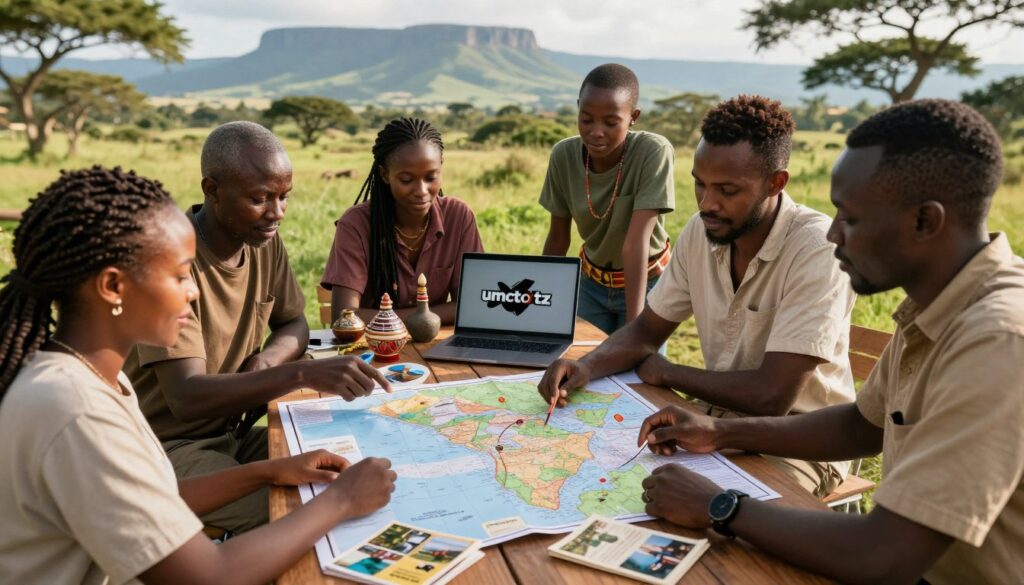
February brings cultural festivals that add contemporary vibrancy to historical settings. Each season offers unique gifts for the thoughtful traveler.
Contact local experts
We strongly recommend connecting with guardians who understand this land intimately. Reach us at +255 762 988 420 or info@umctotz.org.
Our deep knowledge ensures your journey honors both your interests and the sacred nature of these places. We help craft itineraries that respect cultural protocols and site accessibility.
Responsible exploration requires knowledgeable guides who understand archaeological significance. Preparation shows reverence for the profound heritage you’ll encounter.
Conclusion
Our journey through this land’s memory concludes not with an end, but with an invitation to a deeper beginning. The seven world heritage locations and countless other sacred sites form an unparalleled narrative of human experience.
We share this legacy as custodians, not just guides. For centuries, wind and rain have shaped these stones. They now shape the souls of those who visit with open hearts.
Tanzania’s historical sites are portals to understanding our shared journey. They teach lessons of resilience, creativity, and connection that resonate powerfully today.
We invite you to walk this path not as a tourist, but as a seeker. Come with reverence. Leave with a piece of this timeless story forever woven into your own.